Column · @edwinofra281
How to Plan a Cheese Pizza Crawl in Boulder, Colorado
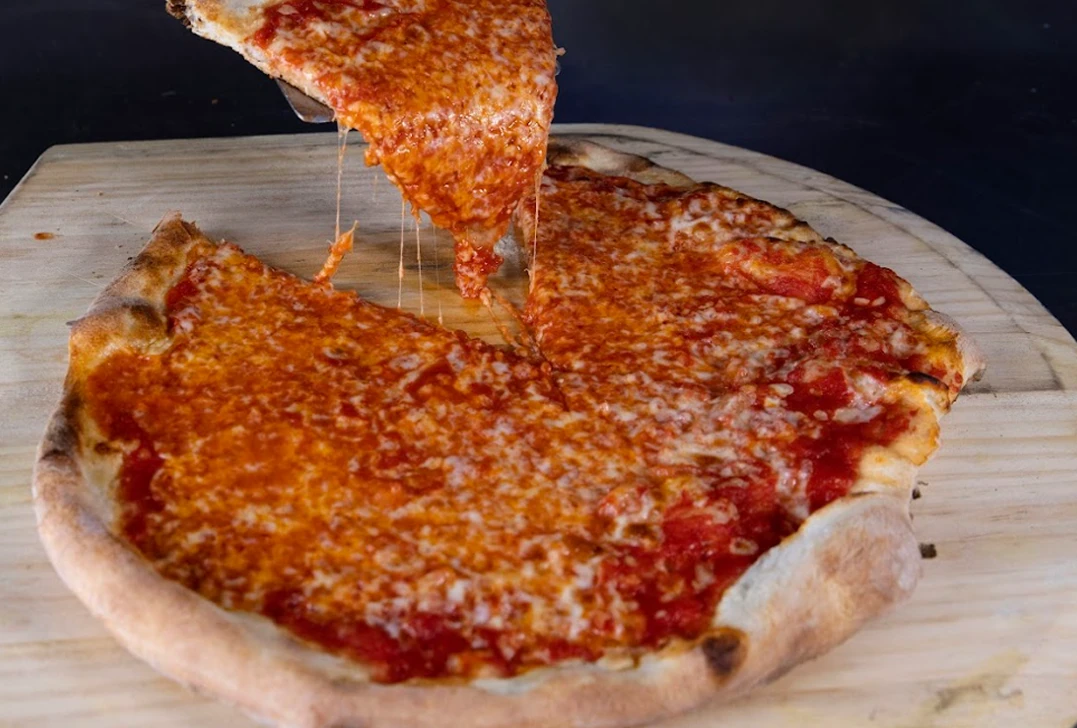
A cheese pizza crawl sounds simple until you try to do it well. Then the details start to matter. Boulder is compact, but not tiny. Distances that look trivial on a map can feel longer when you are parked downtown, walking between stops, or trying to decide whether one more slice is a good idea at 8:15 p.m. The goal is not just to eat a lot of pizza. The goal is to compare styles fairly, keep your energy up, and finish the day still able to remember which crust had the best chew and which place nailed the balance between sauce, mozzarella, and char.
Boulder is a particularly good town for this kind of outing because it brings together different pizza cultures in a relatively small area. You can find quick slice shops near students, more design-conscious neighborhood restaurants, and places that care deeply about fermentation, flour, and oven management. Even when you are only ordering cheese, the differences show up fast. A plain pie is unforgiving. There is nowhere to hide a weak dough, a flat sauce, or cheese that breaks instead of stretches.
If you are planning a cheese pizza crawl in Boulder, Colorado, treat it like a tasting, not a stunt. Pace matters more than bravado. Route matters more than appetite. A Cheese Pizza Boulder, Colorado little preparation turns a sloppy afternoon into a genuinely useful and very enjoyable food experience.
Start with the right definition of “crawl”
Not every pizza outing qualifies as a crawl. If your group orders full pies at two restaurants and taps out, that is lunch with ambition. A real crawl involves multiple stops, measured portions, and a clear comparison mindset.
For Boulder, the sweet spot is usually three to five pizzerias over one afternoon or evening. Fewer than three and you miss the contrast that makes the exercise worthwhile. More than five and fatigue takes over. By the end, every pizza starts to blur into one warm triangle unless the styles are wildly different.
There is also the question of slices versus whole pies. In a perfect world, you would sample a fresh cheese pie at each stop because freshness changes everything. A reheated slice can still be delicious, but it may not tell you what the kitchen can really do. That said, whole pies at every stop are expensive, slow, and physically punishing unless you have a larger group. The practical compromise is to mix formats. If one place is known for quick slices and another shines when a pie comes straight from the oven, build your crawl around those strengths rather than forcing uniformity.
The best crawls also set one standard order. For this topic, that standard is obvious: plain cheese pizza, no substitutions, no ranch, no custom add-ons. Keep the variable fixed so the differences belong to the restaurant, not to your order.
Choose a Boulder route that fits how you actually like to move
Boulder gives you a few solid ways to structure the day. The classic mistake is trying to cover too much of the city without considering parking, foot traffic, and whether the group prefers walking or driving. A route looks elegant on a laptop and much less elegant when someone is circling for a spot near Pearl Street while another person is texting that the next place closes in 40 minutes.
The easiest crawl for most visitors is a downtown-centered route. Pearl Street and the surrounding blocks give you density, coffee options, and the ability to stretch your legs between stops. This is ideal if your group wants atmosphere and flexibility. If one place has a wait, you are not stranded. You can browse, grab sparkling water, or regroup in a nearby plaza.
A Hill-centered route, around the University of Colorado area, gives you a different kind of pizza experience. The pace is younger, more casual, and often faster. You may find larger slices, later hours, and more of the practical fuel-food side of pizza culture. That can be useful if your benchmark includes value, speed, and how a cheese slice performs under high student volume.
A broader neighborhood route, linking downtown with north Boulder or east Boulder by car or bike, can produce the most interesting contrast. One stop might lean classic New York, another might focus on naturally fermented dough, and another might feel almost European in its restraint. The trade-off is transit time. Once travel becomes the dominant feature of the evening, the crawl loses momentum.
If I were planning for first-timers, I would optimize for simplicity over maximum coverage. Boulder rewards restraint.
Set the pace before the first slice
Pizza crawls go wrong early. People arrive hungry, over-order at stop one, then spend the rest of the day trying to recover. The trick is to begin slightly underfed, not ravenous. Eat a light snack an hour or two before the crawl, something plain and small. That might be yogurt, fruit, or a piece of toast. You want enough in your stomach to slow the first slice, but not enough to dull your appetite.
Hydration matters more than most people expect, especially in Boulder’s dry climate. Cheese, salt, walking, and altitude are not a forgiving combination if you have been drinking coffee all day and no water. Keep water in rotation from the first stop onward. If the group wants beer, save it for later in the crawl or share one pour instead of ordering a full drink at every place. Beer can be a pleasure with pizza, but it also accelerates palate fatigue and fullness.
Timing between stops makes a difference too. Ten to twenty minutes is often enough. Less than that and you never reset. More than thirty and the crawl can lose shape unless the walk itself is part of the appeal. This is one reason downtown Boulder works so well. You can eat, stroll, talk, compare notes, and be ready again without forcing the rhythm.
Know what you are evaluating on a cheese pizza
A cheese pizza sounds like the simplest order in the room. In practice, it is a stress test. Without pepperoni or vegetables drawing attention, every element gets exposed.
Crust is usually the first differentiator. In Boulder, as elsewhere, some places aim for foldable slices with a crisp underside and open rim. Others want a more structured base, or a blistered artisan style with longer fermentation. Neither is automatically better. What matters is whether the crust matches the restaurant’s intent. A thin New York style slice should not droop lifelessly from the tip. A more artisanal pie should not feel precious but underbaked.
Sauce tells you a lot about confidence. Some pizzerias go bright and tangy. Others cook the sauce down for sweetness and depth. With cheese only, you can tell quickly whether the kitchen has restraint. Too much sauce and the center floods. Too little and the pie tastes dry, even if the cheese quality is good.
Then there is the cheese itself. A strong cheese pizza does not necessarily use the most expensive mozzarella. It uses the right amount, applied thoughtfully. A blanket of cheese can smother a pie. Too little can make every bite feel mean. Texture matters here. You want cohesion, some pull, and browning where appropriate, but not a greasy sheet that slides off on first contact.
Finally, look at the bake. Bottom color, edge char, heat consistency, and structural integrity all tell their own story. A pizza can taste fine and still reveal a rushed oven or an uneven launch. During a crawl, these small clues help separate good from memorable.
Pick your group carefully
A cheese pizza crawl works best with three to six people. Two people can certainly do it, but a slightly larger group gives you more flexibility on ordering and more useful perspectives. Once you go beyond six, logistics take over. You wait longer for tables, decision-making slows down, and the whole event can start to feel like event management rather than dinner.
Choose at least one person who pays attention to food and at least one person who does not overtalk. The first will notice details you miss. The second keeps the tasting from turning into a debate club. The best crawl groups are curious, relaxed, and realistic about appetite.
It also helps if everyone agrees on the purpose before the day starts. Are you trying to crown a favorite? Compare style differences? Spend a fun evening in Boulder with pizza as the excuse? Those are all valid, but they lead to different decisions. A serious comparison crawl might avoid peak dining hours and focus on plain cheese only. A social crawl might include drinks, a dessert stop, and a less rigid scorecard.
Build the route around fresh pizza, not just famous names
This is where local judgment matters. The most talked-about place is not always the best stop for a crawl. Some restaurants are excellent for a sit-down meal but too slow for a multi-stop plan. Others are strong on specialty pies yet less interesting in a plain cheese format. Some slice counters deliver exactly what you need: fast service, hot product, and a clear read on style.
When scouting a route in Boulder, call or check current menus and service models on the day you go. Hours change. Some places that were once reliable for slices now focus on whole pies, or vice versa. Others may have midday downtime that makes them poor anchors for a crawl. This sounds obvious, but it saves real frustration.
Try to vary the styles instead of chasing five versions of the same thing. If each stop serves a nearly identical thin-crust pie, your notes will collapse into tiny distinctions that only the most obsessive tasters enjoy. Better to compare a classic slice shop against a wood-fired place, then add one restaurant with a more deliberate fermentation approach. Contrast sharpens the experience.
A practical plan that usually works
Here is a format I recommend to friends who want a full but manageable crawl in Boulder.
- Start between 2:30 and 4:00 p.m., after lunch rush and before dinner crowds.
- Choose three core stops, with a fourth only if the group still has energy and curiosity.
- Share one cheese pie or two slices per stop, depending on service style and group size.
- Walk at least ten minutes between stops whenever possible.
- Save drinks, beyond water, for the final stop.
That structure sounds modest, but it is enough. Three focused tastings with fresh attention will teach you more than five rushed ones.
Budgeting without making the evening feel cheap
Pizza crawls can get expensive faster than people expect, especially if the group defaults to whole pies, adds drinks, and starts ordering appetizers “for the table.” If your aim is comparison, keep the extras under control. In Boulder, pricing can vary significantly by style and neighborhood, but you should assume that a thoughtful crawl with three or four stops will cost more than a standard dinner.
One simple way to keep spending reasonable is to designate one splurge stop and keep the others lean. Maybe you order a full pie at the place known for its dough, then do slices elsewhere. Or maybe you skip alcohol entirely until the final restaurant and pair it with a shared salad if the group needs a palate break.
Do not underestimate the value of a small, well-timed non-pizza pause. A sparkling water, an espresso, or even a ten-minute sit on a bench downtown can make the whole outing feel more intentional and less like a dare.
The Boulder-specific variables people forget
Boulder has a few local realities that affect how a crawl unfolds. Weather is one. A bright afternoon can shift to a cool evening quickly, particularly outside peak summer. That matters if your route depends on walking and if one of your stops has patio seating rather than a roomy interior.
Altitude is another factor, especially for visitors. It does not ruin appetite, but it can amplify dehydration and fatigue. If someone in the group arrived in Colorado that day, go easier than you think you need to.
Parking can be the hidden tax on a crawl. Downtown structures and public lots are useful, but the smartest move is often to park once and stay on foot for as much of the route as possible. The moment you reintroduce the car between every stop, you lose both time and mood. Boulder is pleasant enough to walk that you should use that to your advantage.
Finally, remember that Boulder dining patterns can be early compared with larger cities. If you wait too long to start, the best version of your crawl may shrink into a rushed dinner-hour scramble.
Take notes, but keep them human
You do not need a formal scorecard, though some people love one. I prefer quick notes on a phone after each stop. Two or three observations are enough: crust texture, sauce balance, overall impression. Add one emotional note if Cheese Pizza Boulder, Colorado Brooklyn Pizza you want, something like “would crave this after a long hike” or “technically strong, slightly stiff atmosphere.” Those comments often prove more useful later than a numeric score.
If you do rank the places, wait until the end. Early rankings tend to get anchored by hunger. The first pizza often seems better than it really was because your palate is fresh and your body is ready to be impressed. A short reset at the end of the crawl helps. Talk through the stops in reverse order. Ask which slice you would go back for next week, not just which one won in the moment.
For anyone interested in the local search angle, this is also where the phrase Cheese Pizza Boulder, Colorado becomes more than a keyword. It becomes a real question with a nuanced answer. The best cheese pizza in Boulder depends on what you value: fold, char, tang, restraint, nostalgia, speed, or craft. A crawl is the fastest way to discover your version of that answer.
What to do when a stop disappoints
Not every pizza on the route will sing. That is part of the point. A weak stop can still teach you something, especially if you can identify whether the problem was structural or circumstantial. Was the slice old? Was the pie overloaded with cheese? Did the oven seem a little off that day? Distinguishing between a bad sample and a bad concept is where experience comes in.
Try not to let one mediocre stop derail the mood. Keep the portions small enough that a miss does not feel punishing. If a place clearly is not working, shorten your stay, finish your water, and move on. The crawl should have momentum.
It also helps to avoid dramatic pronouncements in the moment. Plenty of restaurants produce a good pizza one day and a great pizza the next. Staff shifts, rush volume, oven tempo, and ingredient variation all matter. Strong opinions are welcome. Absolute certainty is usually not earned in a single visit.
Ending the crawl well
The final stop should feel like a landing, not an emergency. Choose a place where sitting down is pleasant, service is steady, and no one will rush you if the group wants to compare notes. This is the moment for a beer, a glass of wine, or dessert if anyone still has room. Most groups do not need more pizza at this stage. They need perspective.
The next morning is often when the real favorite becomes clear. People text the group with revised rankings. Someone keeps thinking about one crust. Another remembers how balanced a particular cheese pie tasted despite looking simple. That delayed clarity is a good sign. It means the crawl gave you more than a full stomach. It gave you a useful sense of the city’s pizza identity.
Boulder is not trying to be New York, New Haven, or Naples, and that is part of its charm. The best pizza experiences here tend to reflect Boulder’s own habits: active days, neighborhood loyalty, casual discernment, and a willingness to care about ingredients without making a speech about them. If you plan your crawl with those traits in mind, you will have a better day and likely find a slice worth coming back for.
A good cheese pizza crawl leaves you with three things: one new favorite, one surprise, and one strong opinion you are willing to defend. In a town like Boulder, that is a satisfying evening’s work.
Brooklyn Pizza
Address: 1647 Arapahoe Ave, Boulder, CO 80302
Phone number: +17203282324
FAQ About Cheese Pizza Boulder, Colorado
What is usually on a cheese pizza?
A standard cheese pizza consists of a yeast dough crust, a seasoned tomato-based sauce, and melted mozzarella cheese.
What is a cheese pizza called?
A basic cheese pizza is simply called a cheese pizza, a plain pizza, or a plain pie.
What is the best recipe for cheese pizza?
The best cheese pizza recipe uses high-heat baking, a simple raw tomato sauce, and a mix of low-moisture and fresh mozzarella cheese on a homemade yeast dough.